

























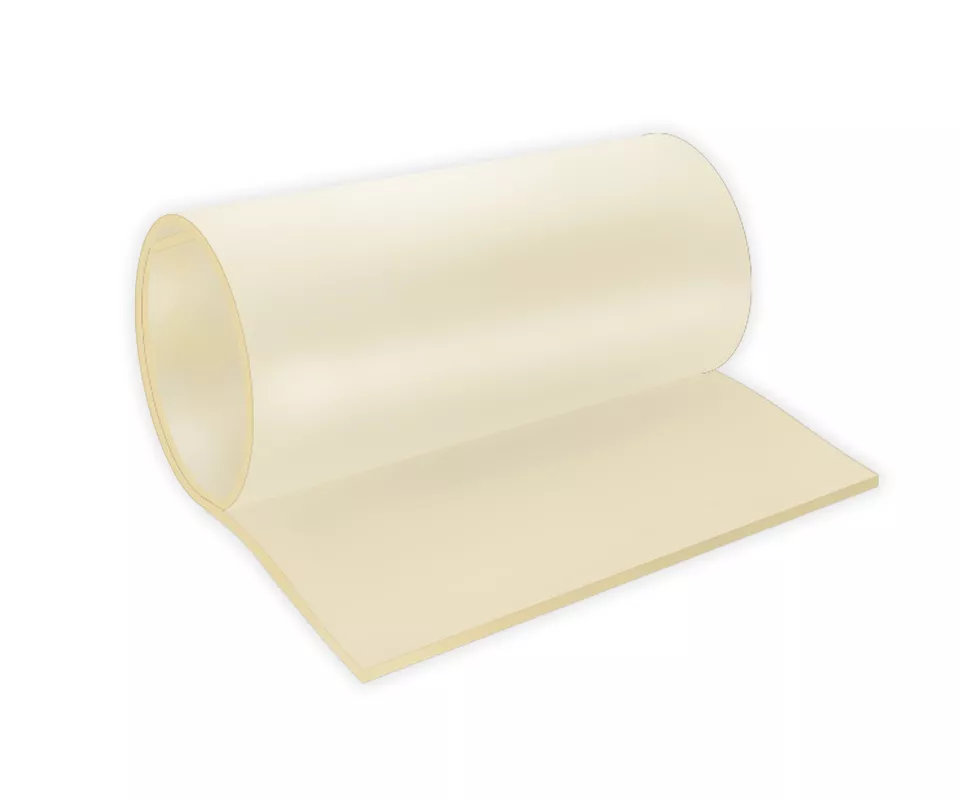
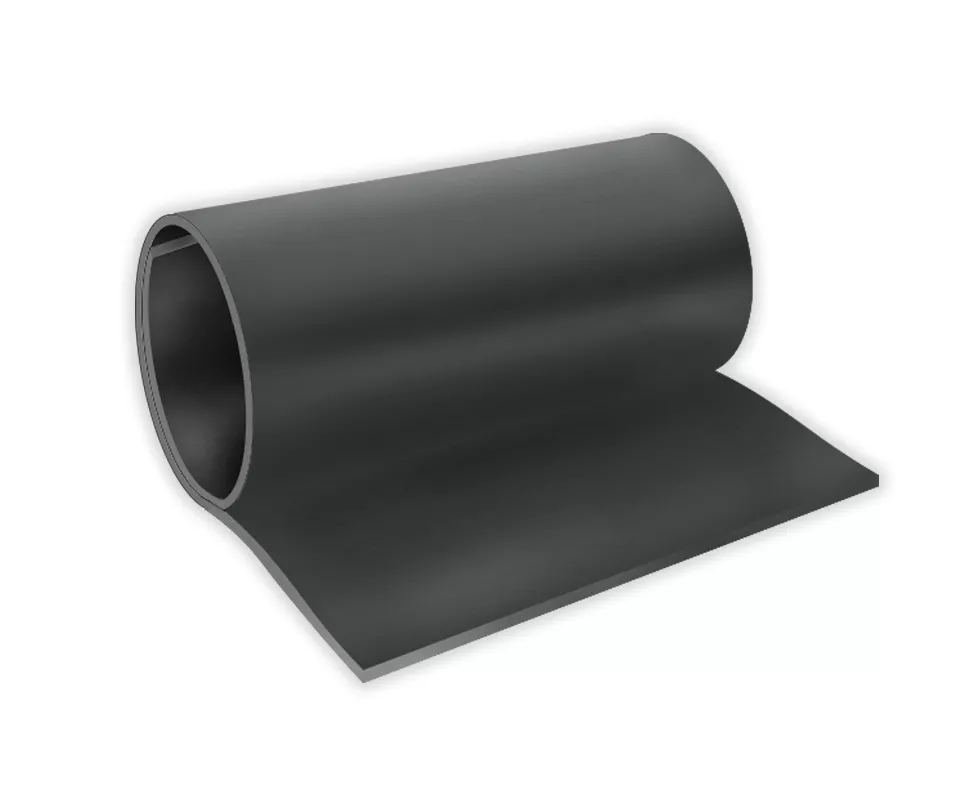
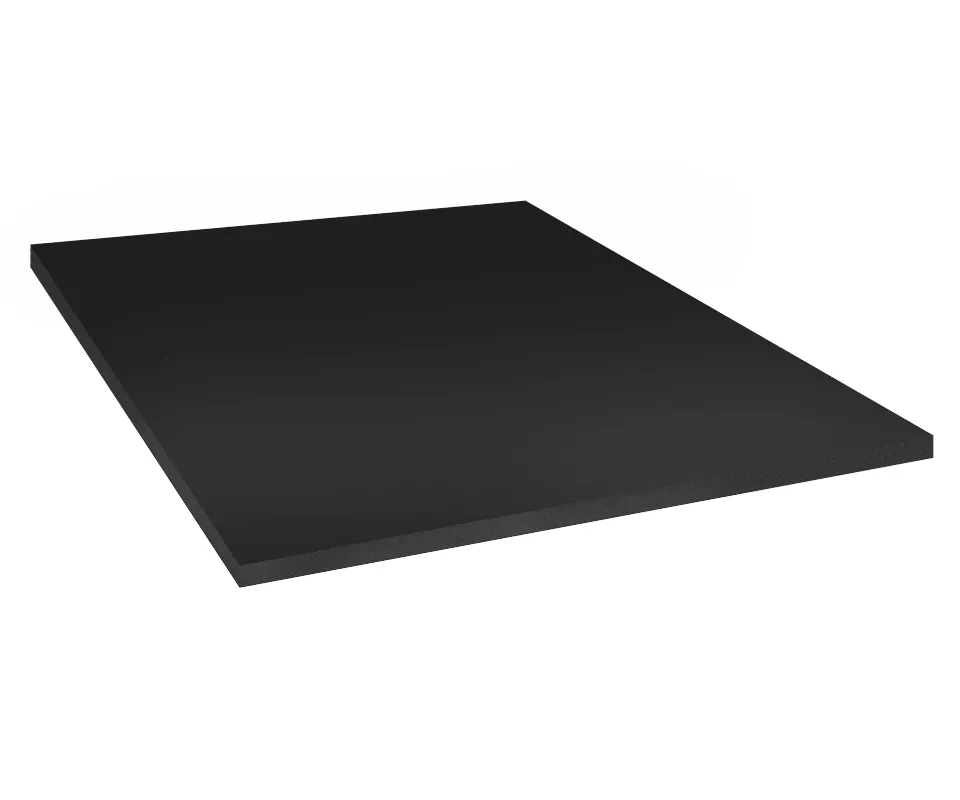
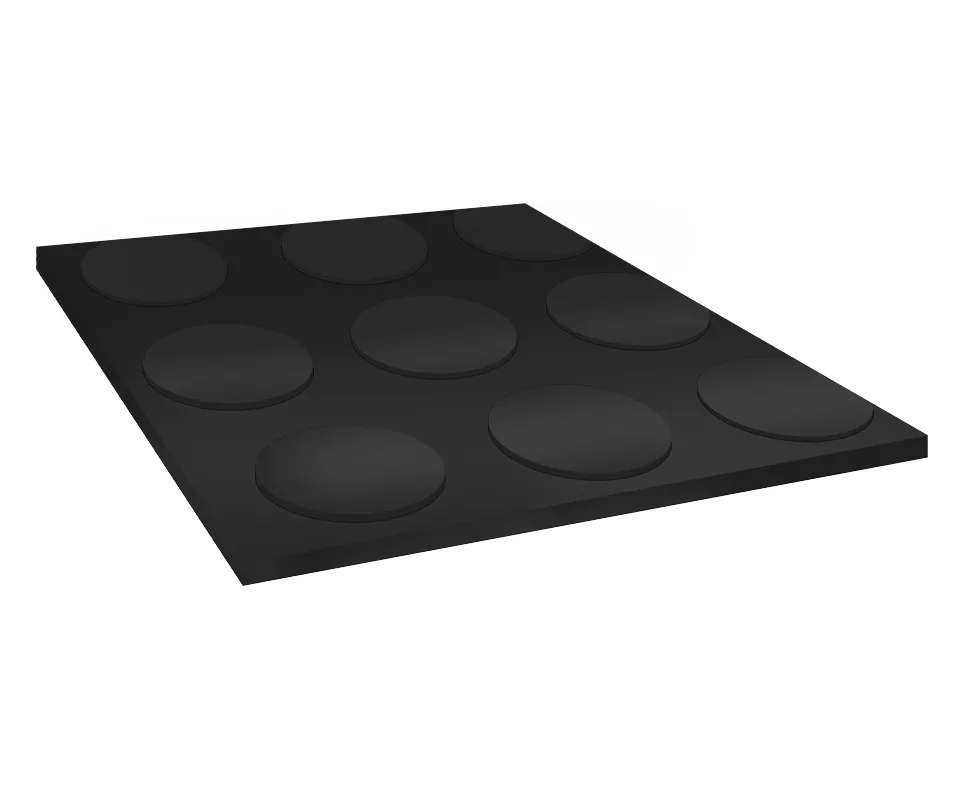


Engineering rubber (incorrectly referred to as ‘guma’) is a more or less elastic and ductile polymeric material that is predominantly used in a wide variety of designs as a sealing element and also as a vibration and shock absorber.
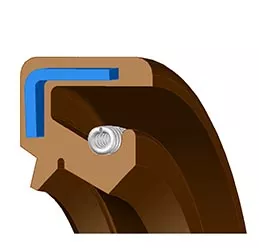
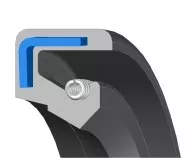
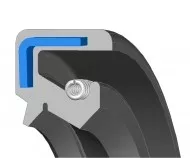
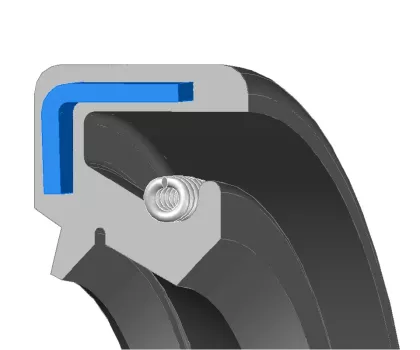
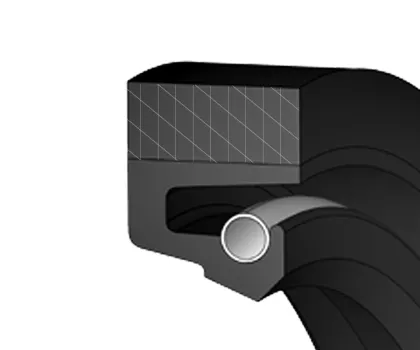
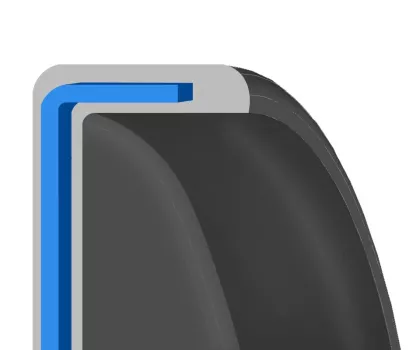
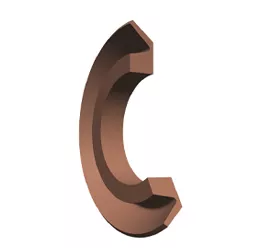
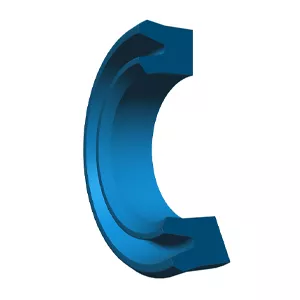
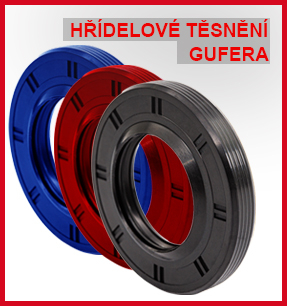
Common sealing elements include O-rings, seals for hydraulic and pneumatic cylinders, shaft seals known as Gufero, flat gaskets between pipe flanges or in water supply fittings, as well as profiled gaskets for sealing a wide variety of industrial vessels, and gaskets under the lids of pressure cookers, including, for example, conical plugs.
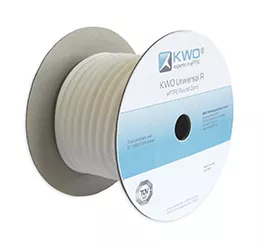
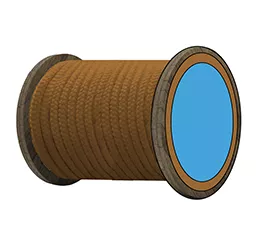
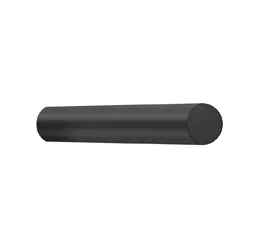
Sealing elements also include cords sold by the metre, in various profiles and dimensions as required.
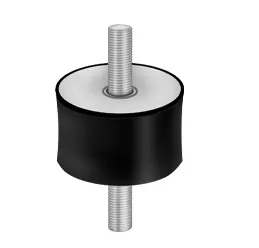
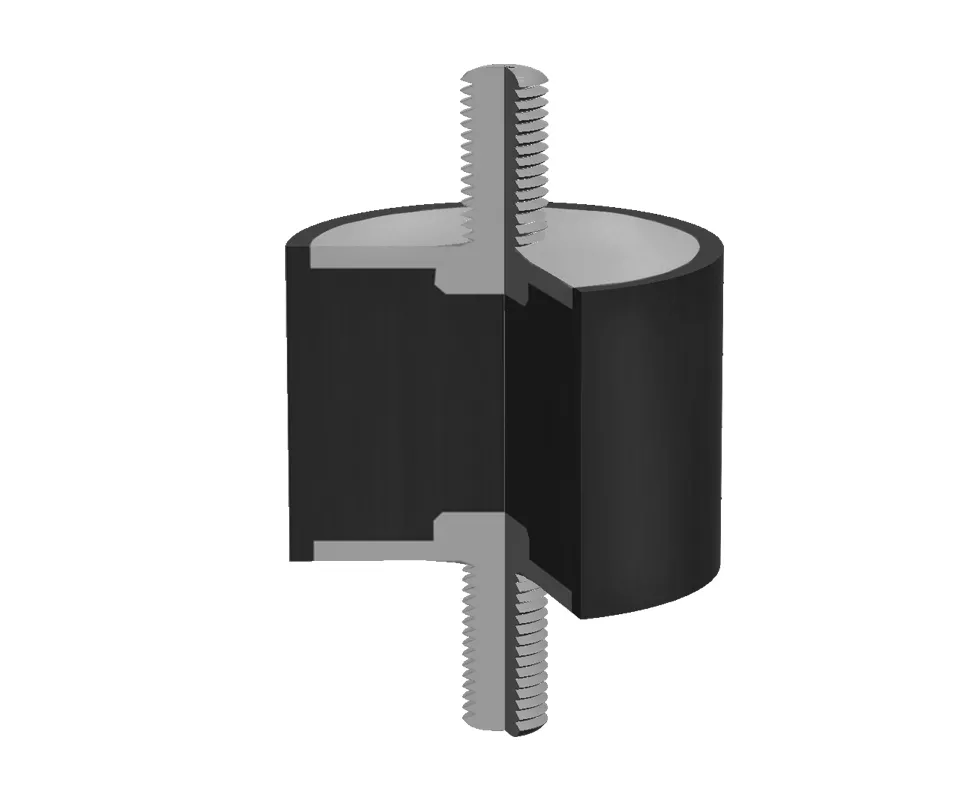
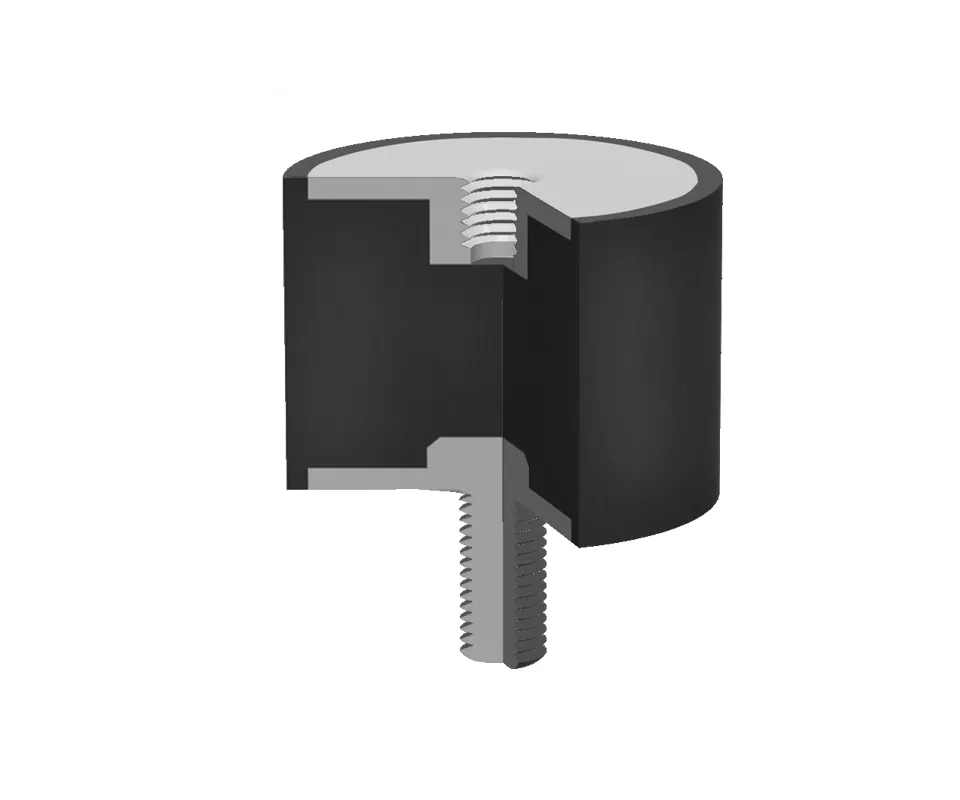
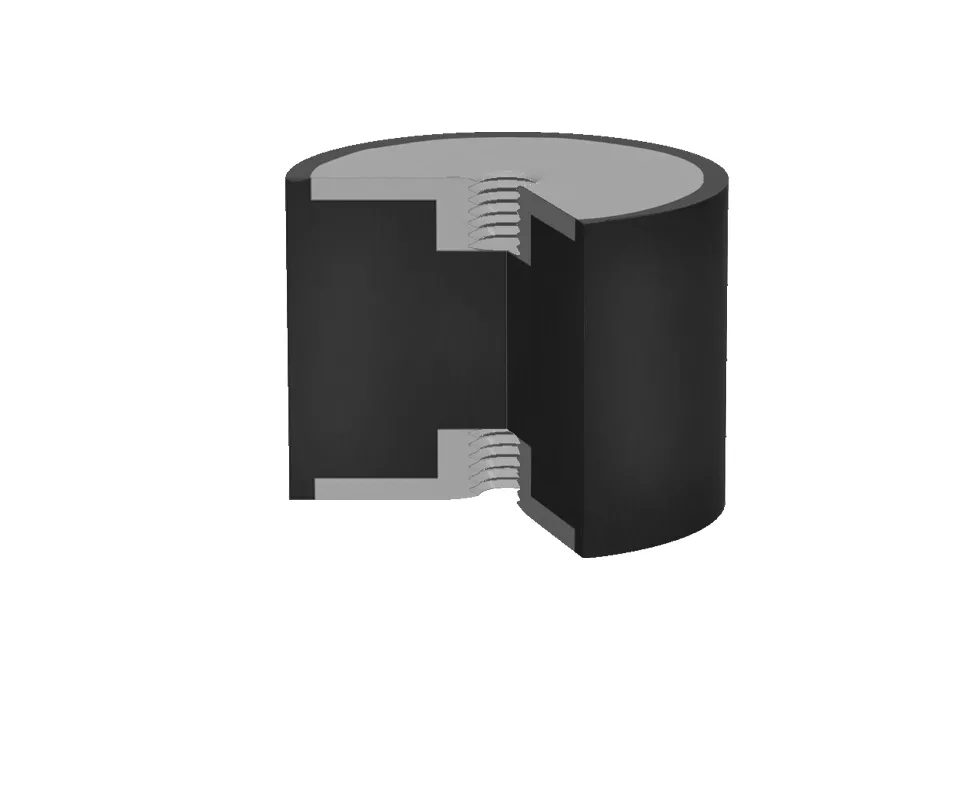
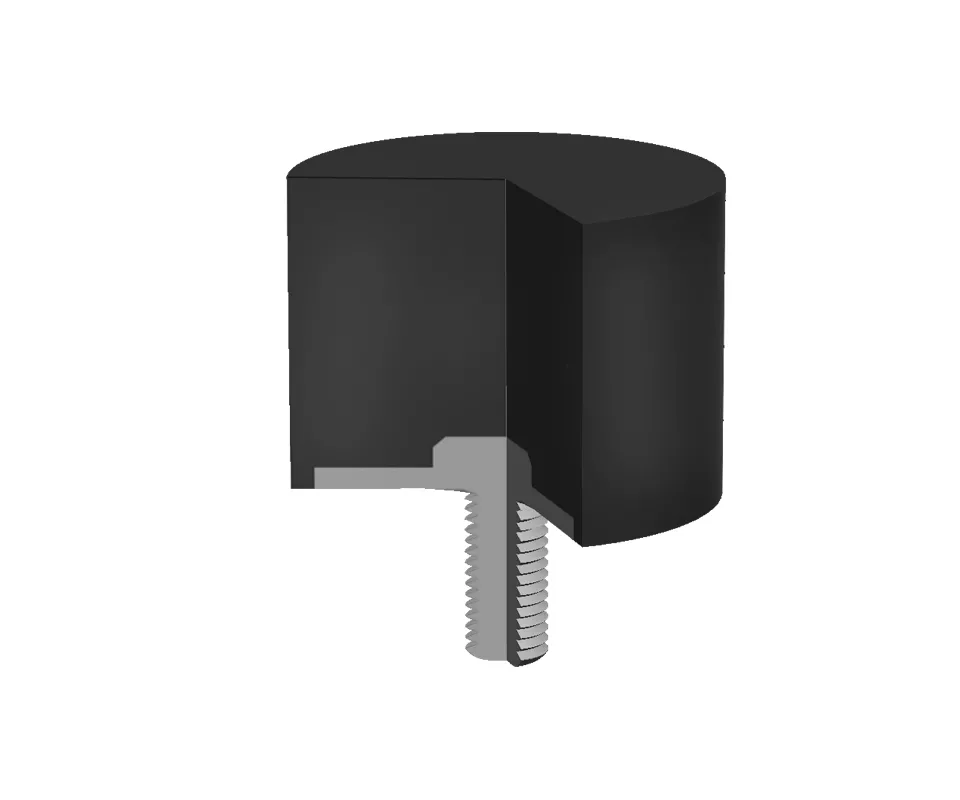
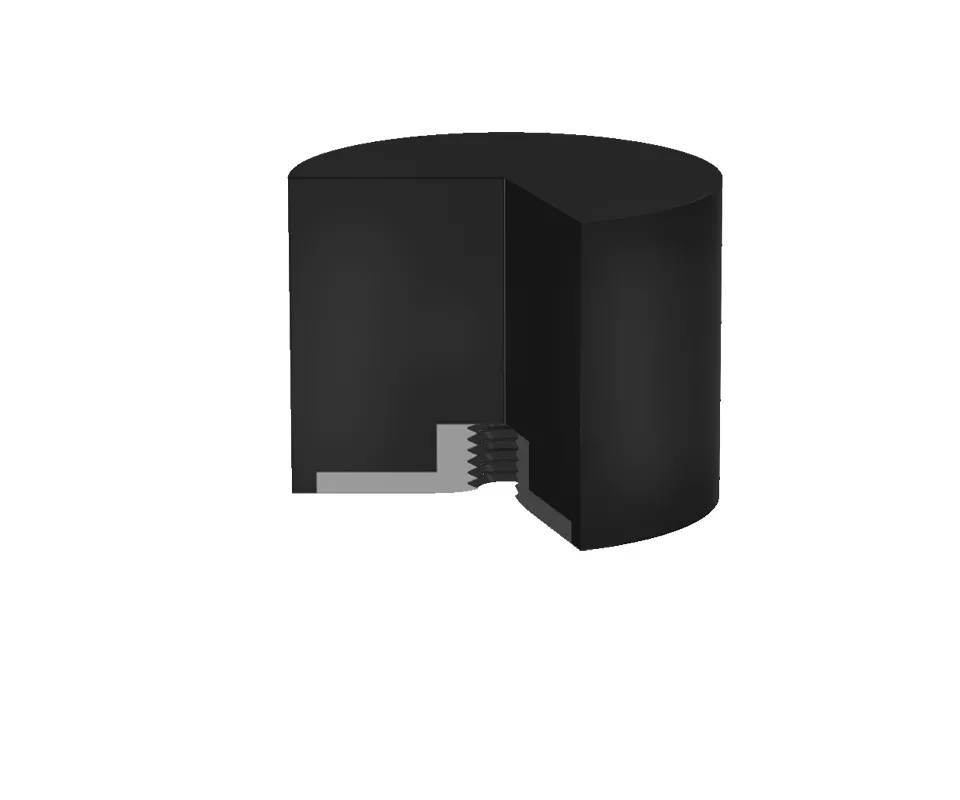
Shocks and vibrations are dampened, for example, by rubber springs; we usually call these silent blocks and buffers. Various plates placed under heavy machinery or inserted into the foundations of certain building structures also serve to dampen vibrations; tyres on car wheels serve the same purpose.
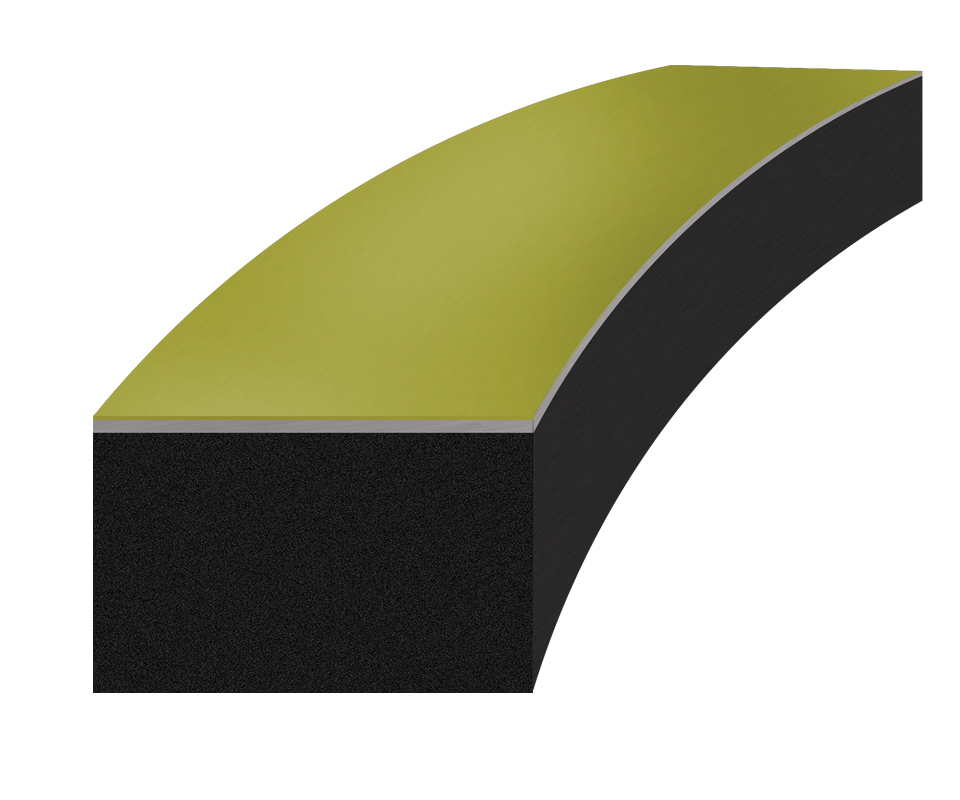
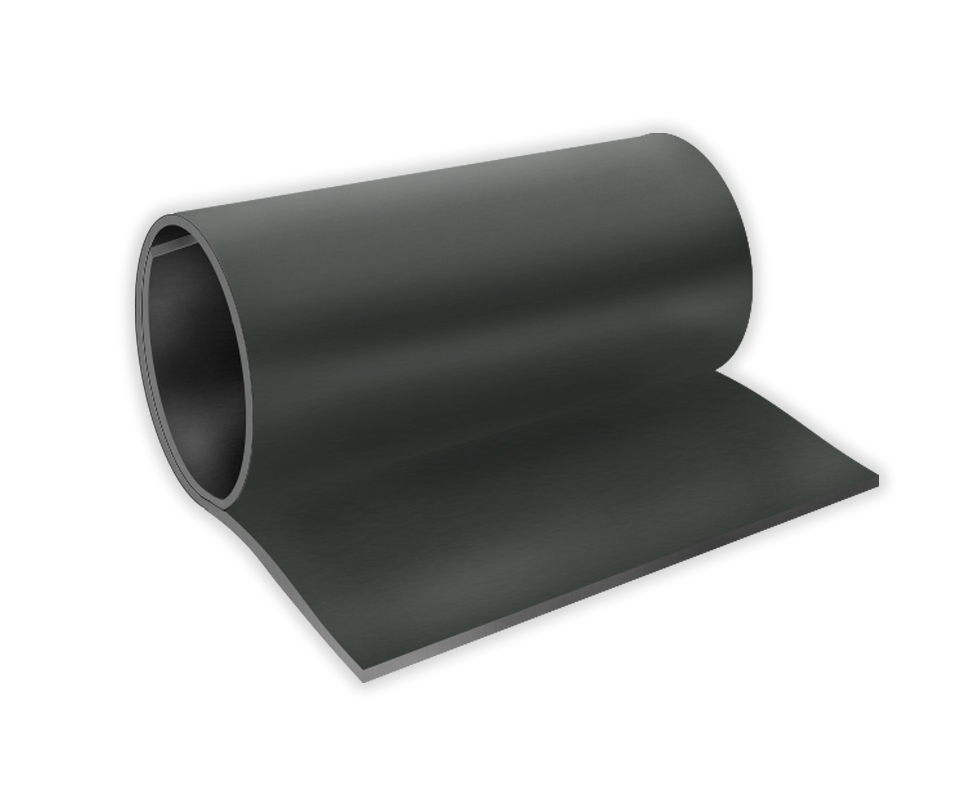
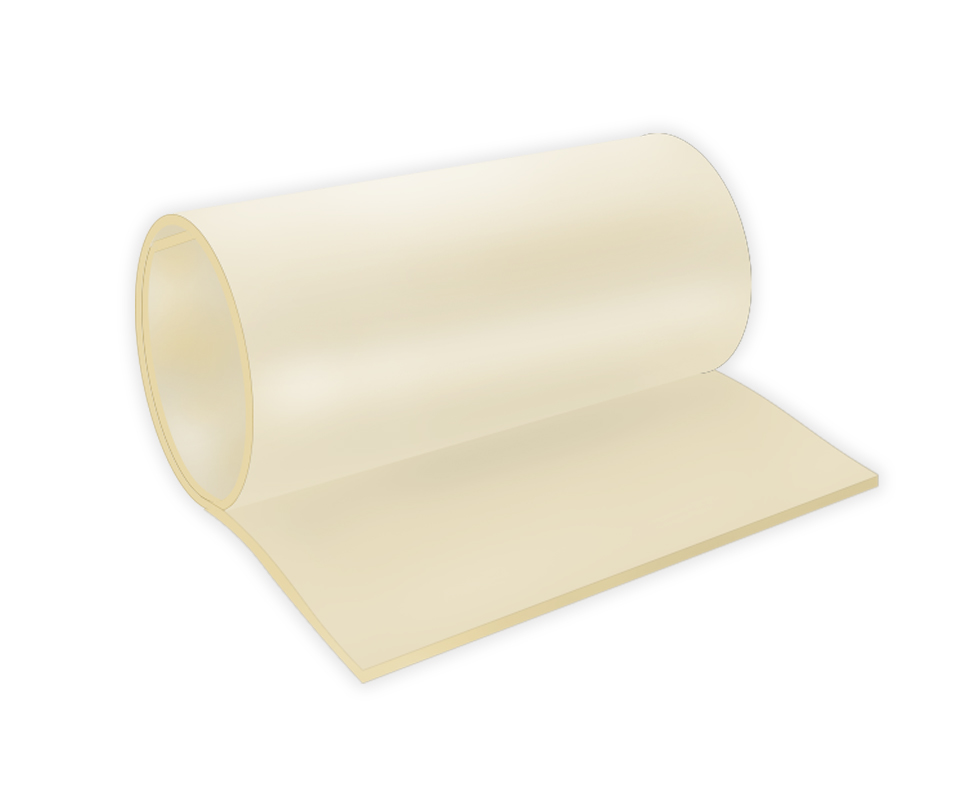
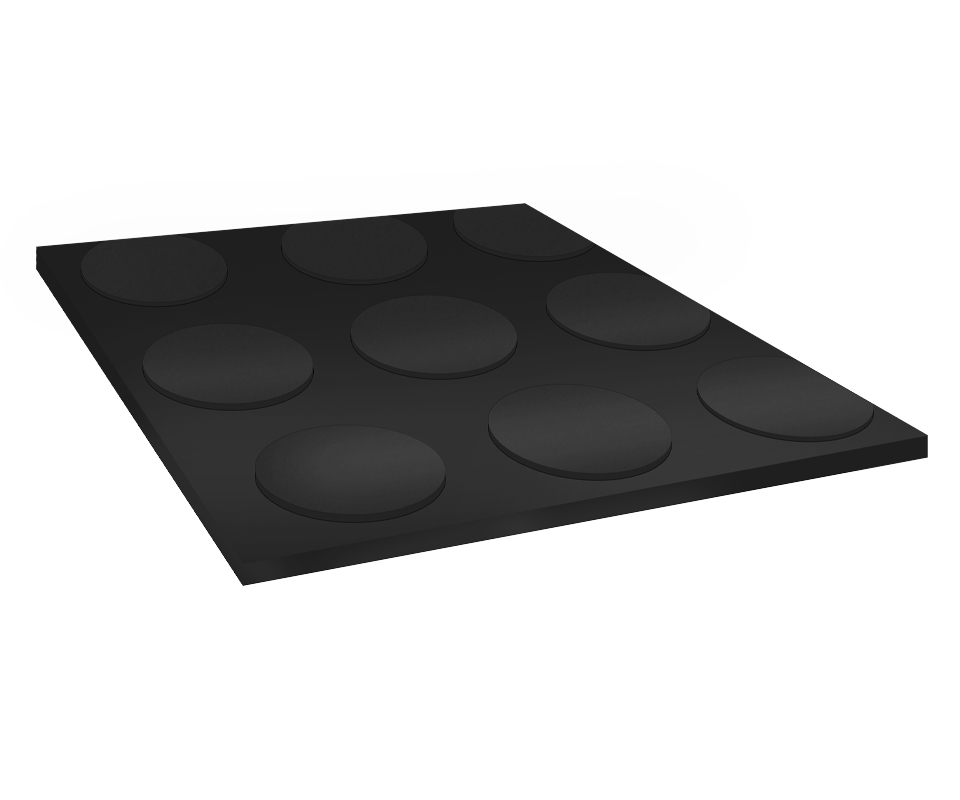
I. Material
We have different types of rubber for various applications. We usually distinguish between types of rubber according to their suitable use, and the classification of common types of rubber is as follows.
1) Standard rubber, known as rubber for mechanical stress (abbreviation: SBR)
This is the cheapest and most common type of rubber; it has good mechanical properties and good resistance to abrasion. Temperature resistance up to 80°C.
2) Oil- and grease-resistant rubber (abbreviation: NBR)
Unlike other rubbers, this type is resistant to oils and greases; in a special formulation known as NBR Super, this rubber is also resistant to petrol.
3) Rubber with increased resistance to weathering and sunlight (abbreviation: EPDM)
This type of rubber has a service life of many years when exposed to the elements, withstands temperatures up to 150°C and is also resistant to various milder chemicals. It is not resistant to oils, greases and petrol.
The typically stated service life of this rubber in outdoor conditions is around 10 years. However, if we look, for example, at the weatherstripping around the windscreens of older cars, it is clear that this rubber (albeit now hardened and inflexible) can serve its purpose for decades.
4) Natural rubber (abbreviation: NR)
Pure natural rubber or a blend of natural rubber with SBR rubber is a very tough material with high abrasion resistance. Another key property is its high elasticity; the rubber can be stretched to several times its original length. Every proper lad has at some point fired a slingshot or
built model aeroplanes; the rubber used in slingshots and model-making is pure natural rubber. Softer than other types, highly elastic.
5) Food-grade rubber
For use in the food industry, we have two types of rubber. The first is a red compound of natural rubber and SBR rubber; this is a highly elastic and tough material based on the properties of pure natural rubber. The second is oil-resistant white food-grade NBR rubber.
6) Silicone rubber (abbreviation: VMQ)
Silicone rubber has a wide temperature range of applicability. It withstands temperatures from -70°C to +200°C, has high resistance to UV radiation, weathering and steam, resists many chemicals, is inert towards food and other environments, and is therefore suitable for use in the food industry and healthcare. White or transparent silicone rubber is not resistant to oils and fats; conversely, coloured silicone rubber (e.g. for seals and O-rings) is highly resistant to oils and fats.
7) Viton®. (abbreviation: FPM is the international abbreviation according to the ISO standard, FKM is the abbreviation for the ASTM standard)
An exceptional but expensive type of rubber. It has very high resistance to most chemicals, including oils and fats, withstands temperatures up to 250 °C, and is flame-resistant. It is not resistant to esters and ketones; for certain chemicals, it is recommended to carry out a resistance test prior to intended use.
Note: The word Viton is the trade name of this material, registered as a trademark by Du Pont Corp.
8) Other, less commonly used types of rubber.
Neoprene is a material similar in use to EPDM rubber; it is also fire-resistant and self-extinguishing.
Butyl is a material with high gas impermeability; it is mainly used to manufacture tyre inner tubes. It is rarely used for other purposes.
Membrane fabric is a textile fabric coated with a special compound consisting of several types of rubber. It is primarily used to make membranes, which is why the material is resistant to petrol, oils, kerosene and industrial gases.
II. Characteristics and properties of rubber materials
Important properties of elastomers:
- hardness
- compression is defined as the reduction in thickness/height of the rubber that has been deformed under specific conditions of load, time and temperature
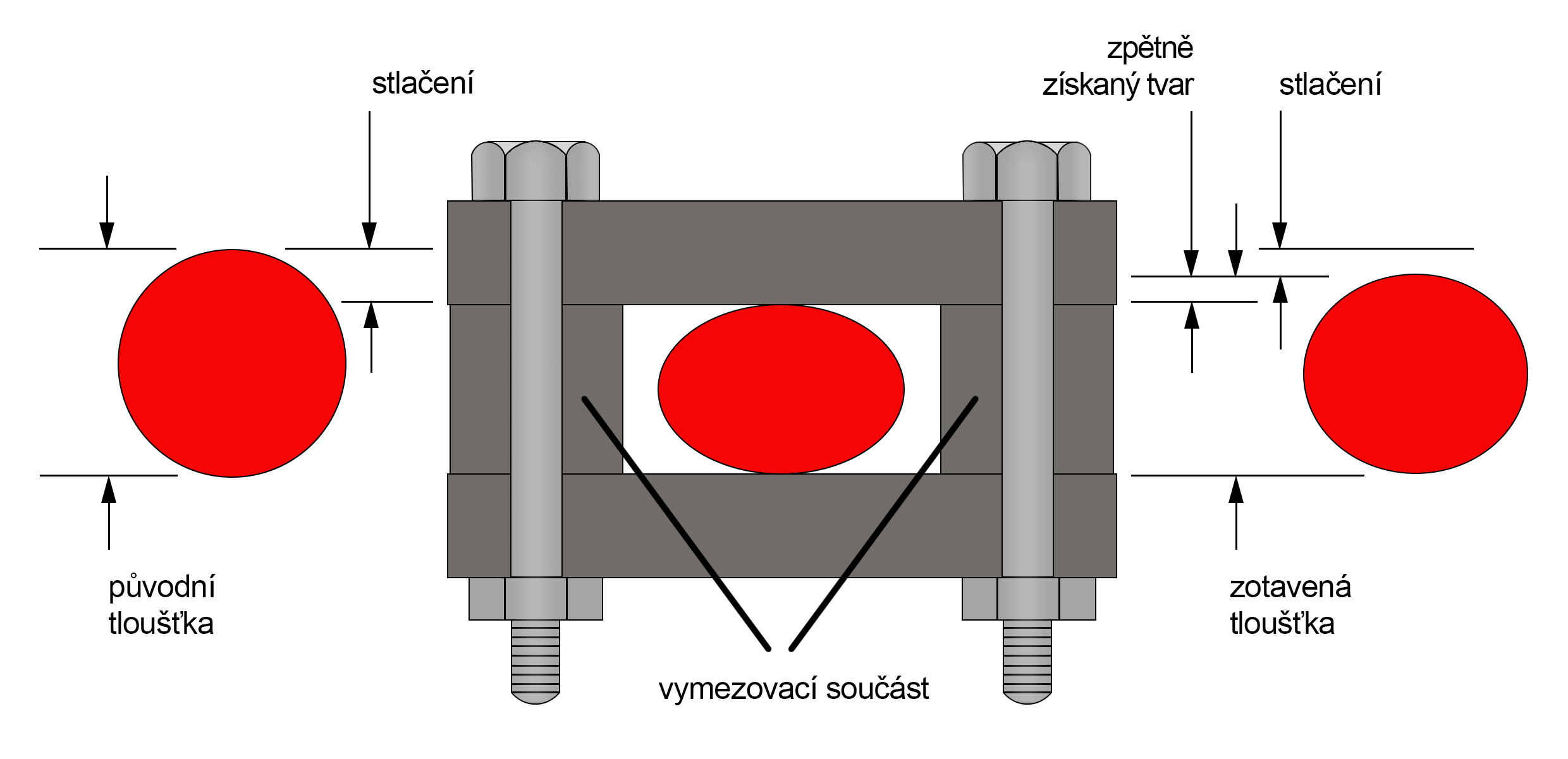
- elasticity
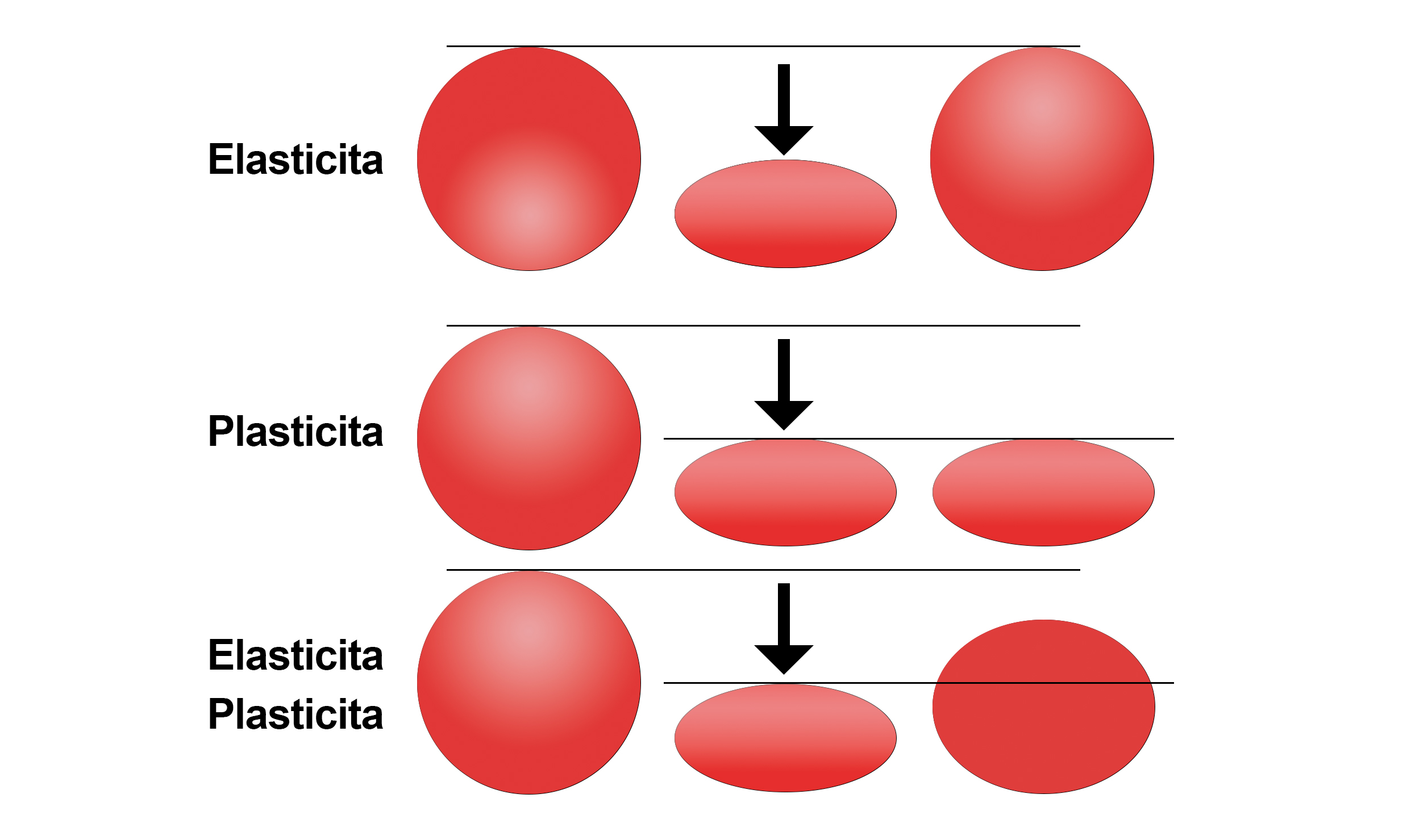
- temperature resistance and low-temperature elasticity
- chemical resistance of the rubber
- resistance to ageing